How to Lower Your Utility Bills Without Sitting in the Dark
Scarcity 2 Sovereignty · 11 min read
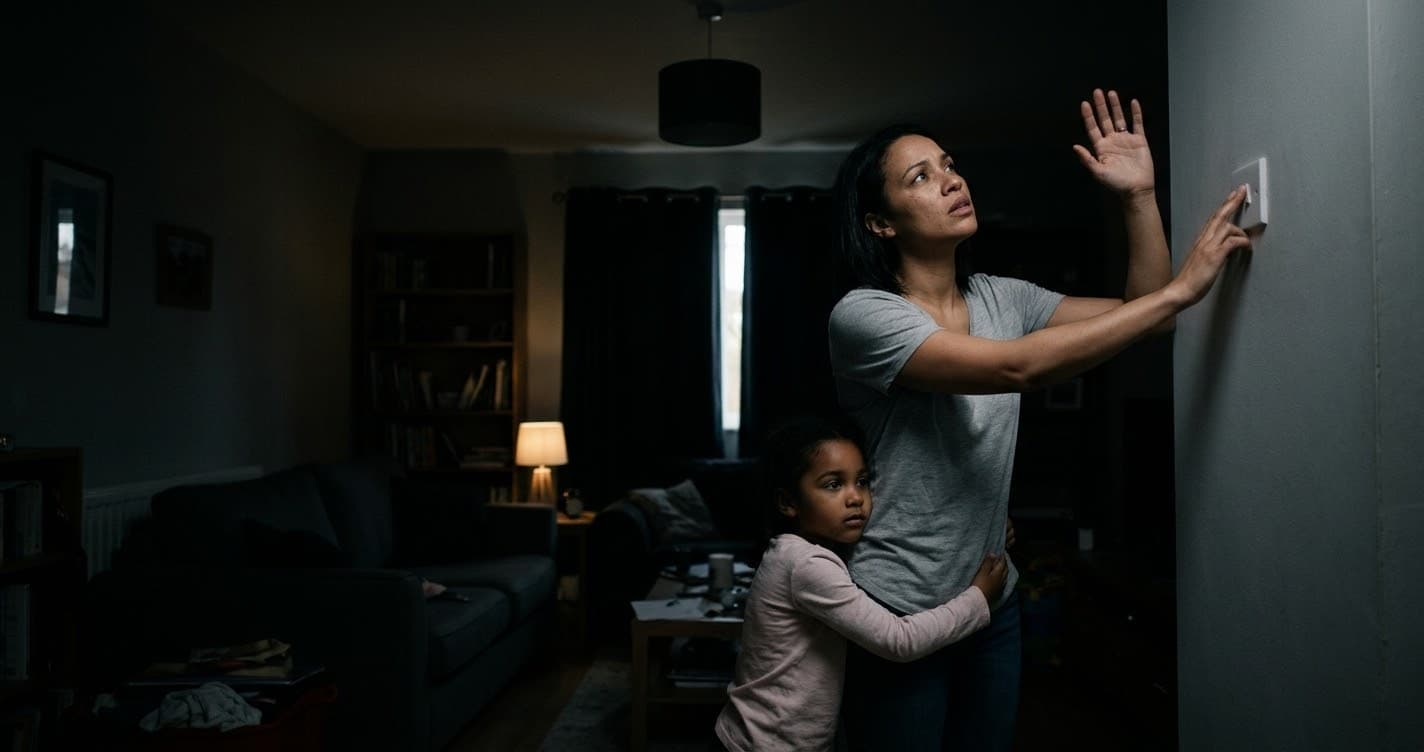
You shouldn't have to choose between a cold shower and a smaller bill, or between actually using your air conditioner and being able to afford the month after. Real savings on utilities don't come from deprivation. They come from knowing exactly where the money is leaking out, and exactly which programs, rebates, and small mechanical habits actually move the number down.
Whether you call it utility bills here in the US and Canada, or energy bills across the UK, we're talking about the same thing: the cost of keeping your home powered, heated, cooled, and running water. I'll use both terms throughout, so don't let the wording trip you up.
Here's what genuinely works right now, across the US, the UK, and Canada, including a few things almost nobody talks about.
First, a quick warning: skip anything mentioning these
A lot of "save on your bills" content still recommends programs that don't exist anymore. Following outdated advice here doesn't just waste your time, it can waste money on paperwork for something that's already closed.
In the US, the federal 25C tax credit, which gave 30% back on insulation, heat pumps, and efficient windows, expired December 31, 2025. Only installations completed by that date qualify. If a blog post tells you to "claim your 30% tax credit," check the date it was written.
In the UK, the Great British Insulation Scheme closed in March 2026, and ECO4 (free boilers and insulation for people on qualifying benefits) is scheduled to end December 31, 2026, with no replacement scheme announced yet. If you're eligible, that's a real, closing window, not a someday task, so don't wait to act.
In Canada, the federal Canada Greener Homes Grant stopped accepting new applicants back in February 2024, and the Greener Homes Loan stopped taking applications October 1, 2025. Natural Resources Canada has also put out a direct warning: nobody legitimate calls or knocks on your door to "register" you for this program. If you get that call, it's a scam.
The universal habits that actually help lower your utility bills
Water heating is a bigger chunk of your bill than you think: It typically accounts for around 13% of total home energy use, and if you have an electric water heater specifically, it can be closer to a quarter of your electric bill alone.
Two free or nearly free fixes: turn your water heater down to 120°F if it's set higher (most default to a hotter setting than anyone actually needs), and install a WaterSense-labeled faucet aerator, which costs a few dollars and cuts hot water use without you noticing a difference in pressure.
Leaks waste more than you'd guess: The average household loses close to 9,400 gallons of water a year to leaks you probably haven't noticed, a running toilet, a slow drip, a worn washer. A single afternoon checking your fixtures can pay for itself many times over.
Get a free home energy audit before you guess at fixes: The Department of Energy's own estimate is that the average home wastes more than 30% of the energy it consumes. Rather than guessing which upgrade to make first, call your utility company directly and ask if they offer a free or discounted home energy assessment, many do. You can also check whether "Home Performance with ENERGY STAR" is active in your area, a DOE program that trains and vets contractors specifically to run this kind of assessment properly, rather than just trying to upsell you.
1. United States: the part almost nobody knows about
Demand response programs will pay you to do almost nothing: This is the genuine "wait, that exists?" find of this whole post. Utilities let you enroll a smart thermostat in a program where, on a handful of peak-demand days each year, they nudge your temperature a couple of degrees for an hour or two. In exchange, you get paid. DTE Energy offers a $50 annual bill credit for this. Southern California Edison's program has paid participants up to $160 in summer credits. Some thermostat manufacturers even offer upfront rebates up to $150 just for enrolling. The only real catch: override too many of these events and some programs will drop you from the incentive.
Rebates through HOMES and HEAR are still alive: Even though the federal tax credit expired, these separate, IRA-funded rebate programs survived and are still active, though availability depends entirely on your state. Check dsireusa.org, the Database of State Incentives for Renewables and Efficiency, to see what's currently live where you actually live.
If you're low-income, don't skip LIHEAP and the Weatherization Assistance Program: I covered both of these in detail in LIHEAP & Utility Assistance Programs, including the part almost nobody realizes: WAP permanently reduces your energy bill through free home upgrades, and if you already qualify for LIHEAP, you're likely automatically eligible for WAP too.
2. United Kingdom: what's actually current
The Ofgem price cap for a typical household runs £1,723 from October through December 2026, up £60 from the previous quarter. If you're on a fixed tariff, this doesn't affect you directly, but it's worth knowing where the baseline actually sits before you decide whether switching makes sense.
The Warm Home Discount gives eligible households £150 off their electricity bill. It's been widened to cover roughly 2.7 million more households than before, with a qualifying date of August 23, 2026. Many people receive this automatically with no application needed, though some households in Scotland need to apply starting in November.
The Priority Services Register is free and not means-tested. If you're a pensioner, disabled, chronically ill, or otherwise vulnerable, this gets you extra support from your supplier, and it costs nothing to join regardless of income.
The Boiler Upgrade Scheme offers £7,500 toward the cost of a heat pump. If your council runs a Warm Homes: Local Grant, that's a separate, income-tested option worth checking directly with your local authority, since the exact grant amount varies by area.
For water bills specifically, look into the WaterSure social tariff if you're on a low income and have either a large household or a medical condition requiring high water use, it caps what you pay rather than charging by meter.
3. Canada: Ontario in depth, and how to check your own province
The Ontario Electricity Support Program (OESP) gives lower-income households a monthly bill credit, confirmed directly through the Ontario Energy Board. Credits typically run from around $35 to over $100 a month depending on household size and income, and thresholds were widened in March 2024, so if you were denied before that date, it's worth reapplying. No home energy audit is required to qualify.
The Ontario Electricity Rebate is now an automatic 23.5% reduction on your bill (raised from 13.1% in November 2025), applied without you having to do anything.
The Ultra-Low Overnight rate plan charges just 3.9¢/kWh overnight versus 39.1¢/kWh during on-peak hours. If you can genuinely shift laundry, dishwashing, or EV charging to overnight, this is a real, meaningful saving. If your household can't avoid using power during the 4 to 9 p.m. peak window, it can work against you, so be honest with yourself about your actual routine before switching.
Outside Ontario, the programs differ significantly by province. Rather than guess at BC, Alberta, or Quebec-specific numbers I haven't independently verified, the most reliable move is checking your own provincial energy regulator or utility directly, most provinces run some version of a low-income electricity credit or time-of-use rate plan, but the names, amounts, and eligibility rules aren't standardized nationally.
Where to actually start
Don't try to do everything on this list at once. Start with whichever fix costs you nothing today, checking your water heater temperature, requesting a free energy audit, or seeing if your utility runs a demand response program. Layer in the rebates and assistance programs that apply to your specific situation once the free changes are already working.
If you're building out the rest of your household's financial safety net, LIHEAP & Utility Assistance Programs covers the income-based assistance side of this in full detail.
Next: Emergency Rental Assistance in the US: Real Programs That Help Prevent Eviction
Program names, rebate amounts, deadlines, and eligibility rules above reflect the most current, verified information available at the time of writing, but they change frequently and vary significantly by state, province, and utility provider. Always confirm current details directly with your utility company or the relevant government program before making decisions.